Commercial Asphalt Paving vs. Concrete: Which Is Better for Businesses
People searching for commercial asphalt paving installation are typically looking to improve their business's parking lot or driveway, and local contractors can help determine if asphalt is the right choice.
Choosing between commercial asphalt paving and concrete for business properties is a common consideration for property owners seeking durable, cost-effective solutions. Whether you're upgrading a parking lot, driveways, or loading zones, understanding the practical differences can help make informed decisions that align with your operational needs. Property owners in the area often explore this topic to ensure their investments support long-term functionality and safety, and knowing which material suits their specific environment can lead to better outcomes.
Local contractors specializing in commercial paving can provide valuable insights and services tailored to your property's requirements. They understand the advantages and limitations of both asphalt and concrete, helping you evaluate which option best supports your business goals. Keep reading to discover practical factors that influence the choice between these materials, and learn how experienced professionals can assist in implementing the right paving solution for your property.
- Commercial asphalt paving installation - ideal for businesses seeking durable, cost-effective surfaces for parking lots and driveways, with local contractors focusing on proper surface preparation and smooth application.
- Commercial concrete paving - suitable for projects requiring strong, long-lasting surfaces like loading docks and walkways, with local service providers emphasizing precise finishing and reinforcement.
- Commercial asphalt paving installation - recommended for high-traffic areas needing quick installation and easy maintenance, with local pros ensuring proper compaction and seal coating.
- Commercial concrete paving - often chosen for areas demanding structural strength and minimal cracking, with local contractors using quality materials and proper curing techniques.
- Commercial asphalt paving installation - often selected for its flexibility in design and rapid repairs, with local service providers focusing on seamless integration with existing surfaces.
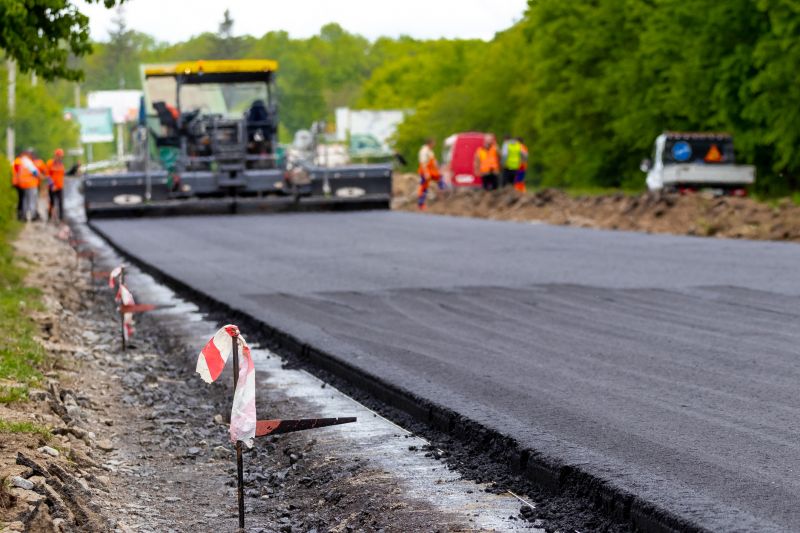
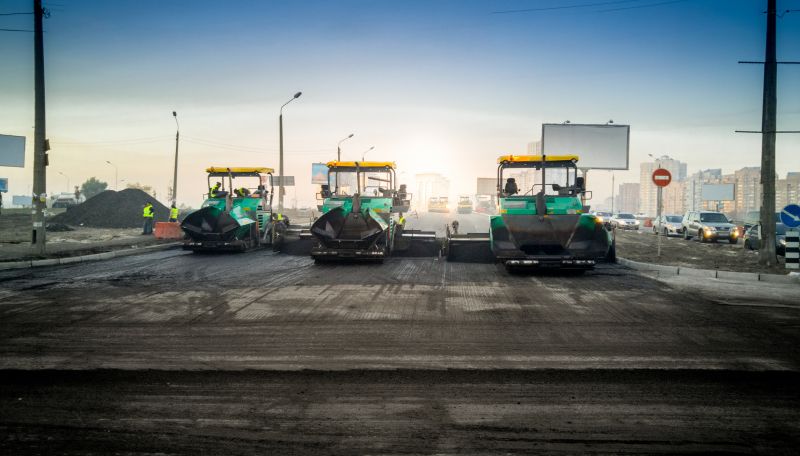
When people search for commercial asphalt paving vs. concrete: which is better for businesses, they are typically exploring options for large-scale property improvements involving parking lots, driveways, loading zones, or other paved surfaces. These projects often relate to plans for enhancing accessibility, managing traffic flow, or creating durable surfaces that can withstand heavy use. Business owners, property managers, and facility operators look into these options to determine which material aligns best with their operational needs, budget considerations, and long-term maintenance expectations. Understanding the differences between asphalt and concrete helps them make informed decisions that impact the functionality and appearance of their commercial properties.
The decision between asphalt and concrete is closely tied to common property problems and future plans. For instance, a parking lot that experiences high traffic and frequent heavy vehicle movement might benefit from asphalt’s flexibility and quicker installation, which can minimize business disruptions. Conversely, properties seeking a long-lasting, low-maintenance surface with a polished appearance might lean toward concrete. These choices are also influenced by the type of property-retail centers, office complexes, industrial parks, or institutional facilities-each with unique demands. Local contractors specializing in commercial paving can provide insights into which material suits specific property conditions, traffic patterns, and aesthetic goals.
Many commercial properties involved in these projects are large-scale and require durable, high-capacity surfaces. Parking lots are the most common, but driveways leading to loading docks, service areas, or outdoor storage yards also frequently come up. These properties often face challenges such as cracking, potholes, or surface deterioration over time, which can affect safety and operational efficiency. When considering commercial asphalt paving vs. concrete: which is better for businesses, property owners often weigh factors like installation speed, surface longevity, and maintenance needs. Local service providers who specialize in commercial paving can assess the specific property conditions and recommend the most suitable material to meet both immediate and long-term needs.
Ultimately, choosing between asphalt and concrete for commercial paving involves understanding how each material performs in real-world applications. Asphalt tends to be more affordable upfront, with the advantage of quicker installation and easier repairs, making it suitable for properties prioritizing rapid project completion. Concrete, on the other hand, offers superior strength and a more refined appearance, which can be important for properties aiming for a professional look and minimal ongoing repairs. Local contractors experienced in commercial paving can help property owners navigate these considerations, ensuring the selected material aligns with the property’s operational requirements and future growth plans.
Parking lot paving projects - local contractors specializing in parking lot paving often handle surface installations that require similar planning, grading, and surface preparation as commercial asphalt and concrete projects.
Driveway installation services - driveway paving involves comparable skills and tools used in commercial paving, making it relevant for businesses considering durable surfacing options.
Sidewalk and walkway construction - building sidewalks requires precise planning and surface finishing techniques akin to those needed for commercial paving materials.
Roadway repair and resurfacing - roadway resurfacing projects share planning and surface preparation processes with larger commercial paving jobs, often handled by the same local service providers.
Industrial paving services - industrial paving involves large-scale surface work that demands similar expertise in material application and surface durability as commercial asphalt and concrete projects.
Sealcoating and surface maintenance - surface maintenance tasks like sealcoating are related to commercial paving, requiring knowledge of surface protection and longevity strategies.
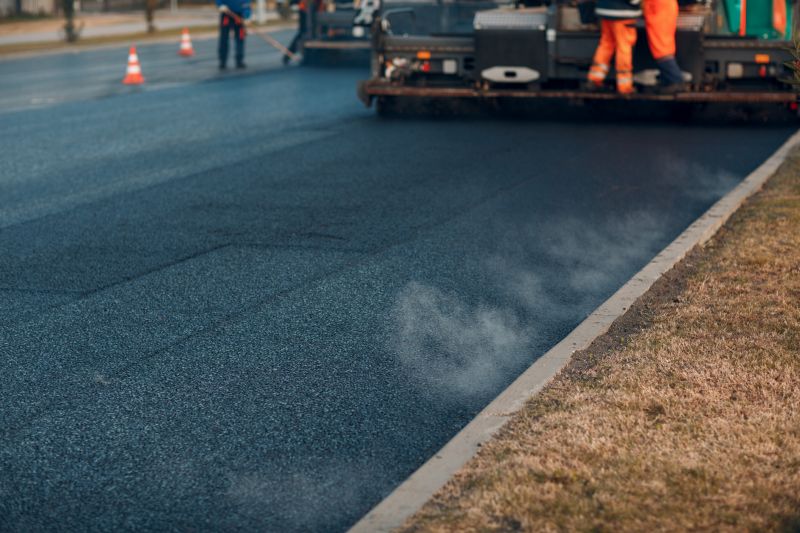
When evaluating commercial asphalt paving versus concrete for business needs, it’s important to consider the experience of local contractors with similar projects. Contractors who have a proven track record working on commercial paving installations can provide insights into the specific demands of your property, such as traffic volume, surface durability, and environmental conditions. Asking potential service providers about their past projects helps ensure they have the relevant expertise to handle the scope and complexity of commercial paving work, which can influence the longevity and performance of the finished surface.
Clear, written expectations are essential when comparing local contractors for commercial asphalt paving installation services. A reputable provider should be able to outline the scope of work, materials used, and the approximate process involved, giving a transparent understanding of what to expect. This clarity helps prevent misunderstandings and ensures that the project aligns with the specific needs of the business, whether that involves surface durability, appearance, or maintenance considerations. Well-defined expectations also serve as a foundation for evaluating bids and selecting the service provider best suited for the job.
Reputable references and effective communication are key factors in choosing the right local contractor for commercial paving projects. Service providers with positive references from previous clients can offer reassurance about their reliability and quality of work. Additionally, good communication throughout the process-whether through timely responses, clear explanations, or ongoing updates-can make the experience smoother and more predictable. When comparing options, it’s beneficial to prioritize contractors who demonstrate professionalism and transparency, as these qualities often reflect their overall approach to delivering a successful commercial paving installation.
Property owners often search for commercial asphalt paving vs. concrete: which is better for businesses when they are planning practical projects around their homes and businesses. Local pros provide Commercial Asphalt Paving Installation services for everyday jobs and straightforward project options.
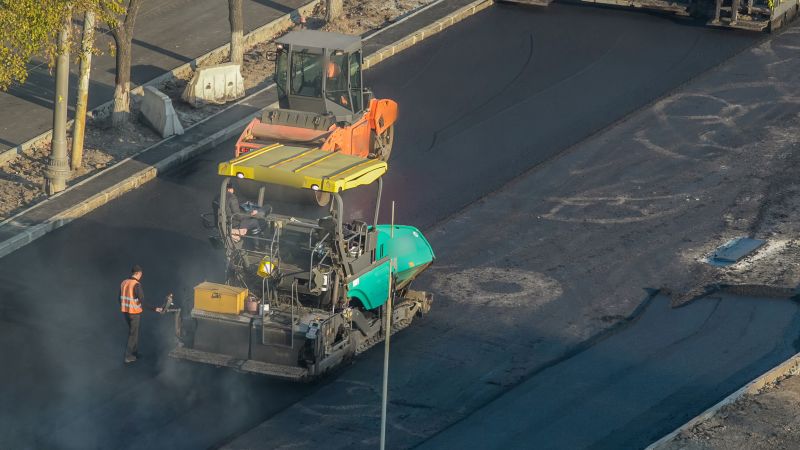
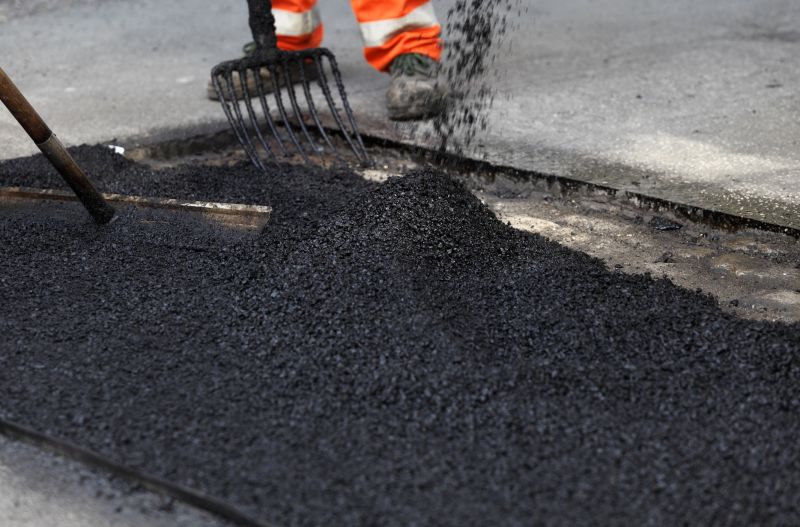
When considering whether to choose commercial asphalt paving or concrete for a business property, property owners often evaluate factors like durability, installation time, and maintenance needs. Asphalt tends to be favored for projects requiring quick installation and easier repairs, making it a practical choice for parking lots and driveways that see heavy daily use. Concrete, on the other hand, offers a longer lifespan and can handle heavy loads well, which might appeal to businesses with high-traffic or heavy equipment needs. Local contractors experienced in commercial paving can help assess the specific project requirements and recommend the best material to meet operational demands.
For property owners exploring options, understanding the practical differences between asphalt and concrete can influence long-term performance and costs. Asphalt installations generally provide a smoother surface suitable for frequent use, while concrete can withstand more substantial weight over time. Local service providers specializing in commercial paving can assist with installation, ensuring the chosen material aligns with the business’s daily activities and future growth plans. Consulting with experienced contractors can help determine which material offers the best balance of durability, maintenance, and cost-effectiveness for the specific project.
How does commercial asphalt paving compare to concrete for business parking lots? Commercial asphalt paving typically offers quicker installation and easier maintenance, making it suitable for busy parking areas. Concrete may provide greater durability for high-traffic zones but can involve longer installation times. Local contractors can help determine which material aligns best with a business's specific needs.
Which material is more cost-effective for large commercial driveways? Asphalt generally tends to be more affordable initially and allows for easier repairs, which can be beneficial for large driveways. Concrete, while potentially more expensive upfront, offers longer-lasting performance in certain conditions. Local service providers can advise on the most economical choice based on usage.
Are there differences in how asphalt and concrete handle weather conditions for businesses? Asphalt tends to perform well in temperature fluctuations and is less prone to cracking in cold weather, while concrete can be more resistant to certain types of wear but may crack more easily in freeze-thaw cycles. Local pros can recommend the best material based on local climate factors.
Which material requires less maintenance for commercial properties? Asphalt generally requires more frequent sealing but is easier and quicker to repair, making it a practical choice for ongoing maintenance. Concrete may need less frequent repairs but can be more costly and time-consuming to fix when issues arise. Local contractors can provide tailored maintenance advice.
Can local pros help decide whether asphalt or concrete is better for a specific business application? Yes, experienced local service providers can assess the specific requirements of a business, including traffic load, climate, and usage patterns, to recommend whether asphalt or concrete is more suitable for the project.
Assessing Durability Needs - Property owners can evaluate the expected traffic and usage to determine whether asphalt or concrete will better withstand daily wear and tear, with local contractors providing guidance on suitable options.
Considering Maintenance Frequency - Businesses can plan for ongoing upkeep by understanding the long-term maintenance requirements of asphalt versus concrete, with local pros offering advice on upkeep practices.
Matching Material to Climate Conditions - Property owners can choose between asphalt and concrete based on local weather patterns, ensuring the chosen surface resists cracking or softening, with local service providers advising on climate considerations.
Planning for Future Expansion - When expanding parking lots or driveways, property owners can consider how each material accommodates future growth, with local contractors assisting in designing adaptable paving solutions.
If you are thinking about commercial asphalt paving vs. concrete: which is better for businesses for a property, this guide is meant to help you understand this topic, the typical project types, and how different options might fit your plans.
When you are ready, you can use the quote form on this page to share a few details about your project. From there, local pros can review the basics and follow up with options that match what you have in mind.